Welcome to BloodyHell Industries INC
Since 2007, we've been building reliable, accessible software that empowers users and developers worldwide. Our dual portfolio spans from low-level system utilities to high-level developer frameworks, all guided by the simple belief that everyone deserves a software.
Our Philosophy: "Everyone Deserves a Software"
At the heart of BloodyHell Industries is a simple but powerful idea: everyone deserves quality, reliable, and accessible software. This philosophy is a commitment to serving real needs through pragmatic engineering solutions.
It's as much about ethics as it is about engineering. We believe software should be dependable in its foundations and approachable in its interfaces, and that high-quality building blocks should be widely available rather than hoarded.
Modularity
Building small, composable modules with clear contracts
Composability
Enabling developers to assemble tools to fit their needs
Transparency
Clear interfaces, explicit performance characteristics, honest trade-offs
Accessibility
Inclusive design and documentation to broaden participation
Company History & Founder Story
Founded in 2007 by Neraz Frogmen (LinoxGuy)
BloodyHell Industries was founded by Neraz frogmen, also known publicly as LinoxGuy. The founder's background is rooted in system-level engineering, with deep interest in operating systems, drivers, and performance tooling.
The company began with a simple observation: too many users and communities are underserved by the software they rely on. This conviction shaped early priorities, leading to a focus on system utilities and tools that improve reliability and transparency.
Evolution Over Nearly Two Decades
Across nearly 18 years, BloodyHell Industries has progressed through identifiable phases: initial ideation and early prototypes, consolidation around core system-level projects, expansion into frameworks and developer tools, and increased emphasis on accessibility and community processes.
The company consistently favors small, composable modules that can be combined in flexible ways, enabling other developers to assemble solutions that meet their specific needs without carrying unnecessary complexity.
Open Source Projects Portfolio
Our portfolio is organized into two complementary tracks that reinforce one another. The low-level track provides strong foundations, while the high-level track demonstrates practical application and developer acceleration.
Low-Level Projects: System Utilities & Tools
System-Level Foundation
Our low-level projects form the backbone of the portfolio, prioritizing stability, security, performance, and developer control. These include diagnostic and profiling tools, driver-level components, and system-level utilities designed for integration.
- Diagnostic and profiling tools that surface system behavior clearly
- Driver-level components with well-documented interfaces
- System-level tools designed for seamless integration
- Privacy-respecting telemetry and transparent APIs
Impact: By investing in correctness and transparency, we help teams reduce time-to-diagnosis, avoid brittle integrations, and plan capacity with confidence.
High-Level Projects: Applications & Frameworks
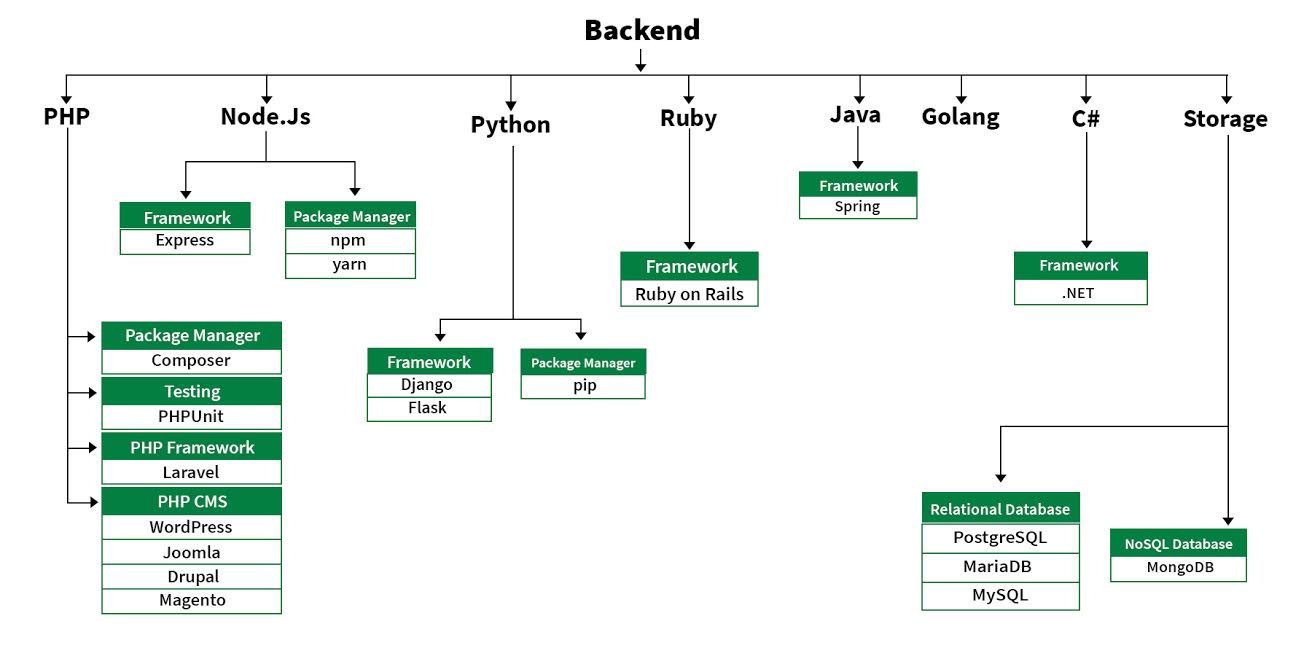
Developer Productivity & User Experience
Our high-level projects aim to accelerate developer productivity and improve user experience. Frameworks and libraries help teams compose accessible user interfaces with strong defaults, while developer tools streamline testing, scaffolding, and build processes.
- UI frameworks with strong accessibility defaults
- Developer utilities and scaffolding tools
- Cross-platform compatibility solutions
- Comprehensive documentation and examples
Benefits: Faster iteration cycles, clearer developer onboarding, and consistent accessibility practices that reduce friction for new contributors.
Mission & Values
Our Mission
To create reliable, accessible software that empowers users and developers, and to steward open source projects that strengthen communities.
Transparency
Clear processes, honest communication, and open development practices
Inclusivity
Welcoming diverse perspectives and lowering barriers to participation
Craftsmanship
Quality engineering through rigorous review and testing standards
Long-term Thinking
Building sustainable solutions that age well across changing landscapes
Community Stewardship
Managing projects for long-term health and community benefit
Values in Practice
- Code Quality: Rigorous review standards, testing, and performance considerations
- Documentation: Clear guides, examples, and API references that support learning and adoption
- Release Management: Predictable cycles and transparent processes that respect user and contributor time
- Community Engagement: Welcoming contributions, fostering mentorship, and recognizing diverse perspectives
- Inclusion: Accessible interfaces and documentation that lower barriers to participation
Company Culture & Community
Development Approach
Our culture is shaped by a performance-accessibility balance, a bias for pragmatic solutions, and a commitment to sustainability. Development is iterative, with continuous integration and delivery practices that prioritize reliability and small, composable modules.
We favor composable designs with strong documentation and developer ergonomics. Performance budgets and accessibility standards are established early and reviewed regularly to prevent drift over time.
Community & Collaboration
Community collaboration includes open contribution pathways, mentorship, and transparent governance. We aim to make participation straightforward, with clear expectations and appreciation for effort.
Open Contribution
Welcoming contributions across code, documentation, design, and translation
Mentorship
Fostering growth through guidance and knowledge sharing
Transparent Governance
Clear decision-making processes and open communication
Get Involved
Join our community of developers, users, and contributors who believe that everyone deserves quality software. Whether you're looking to use our tools, contribute to projects, or simply learn more about our work, we welcome your participation.